Diapers vs. Pull-Ups: When Should I Consider Diaper Pants?
There's no single right time to move from taped diapers to Diaper Pants.
Some parents make the switch when their child becomes more active and a pull-on style designed for movement becomes more convenient. Others continue using diapers until their child begins potty training. And some families use both depending on the situation.
Are Pull-Ups Better Than Diapers?
Neither is better for every child. The right choice depends on your child's stage, your routine and what's causing the most trouble right now, whether that's leaks, squirmy changes or both.
Diapers are still a great fit for many families, especially while your baby isn't yet mobile. If your child is comfortable and leak-free in a taped diaper, there's no need to switch.
So, are pull-ups as good as diapers? When a pull-on style is designed for diaper-level absorbency, as EcoPeaCo Diaper Pants are, you don't have to choose between convenience and protection.
What's the Difference Between Diapers and Pull-Ups?
Are pull-ups the same as diapers? They do a similar job, but they're built differently. The biggest difference is how they go on and off.
Design and Functionality
Diapers have adjustable tabs that fasten around your child's waist, so changes usually happen with your child lying down. Diaper Pants have a flexible 360° waistband and pull on and off, which can make standing changes easier once your child is on the move.
Fit and Comfort
Traditional diapers use adjustable tabs to create a secure fit around the waist and legs. Diaper Pants feature a flexible, 360° waistband that moves with your child, making them ideal for active babies and toddlers. Because the waistband provides the secure fit, choosing the right size is especially important. Our Diaper Fit Guide and Diaper Pants Fit Guide show what a good fit looks like for each.
Your Child Is on the Move
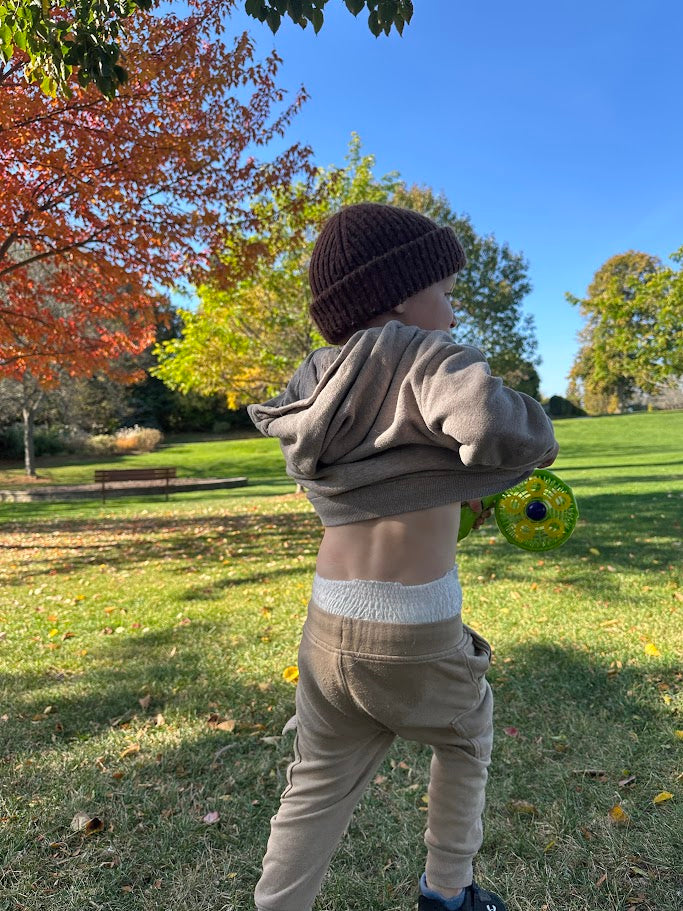
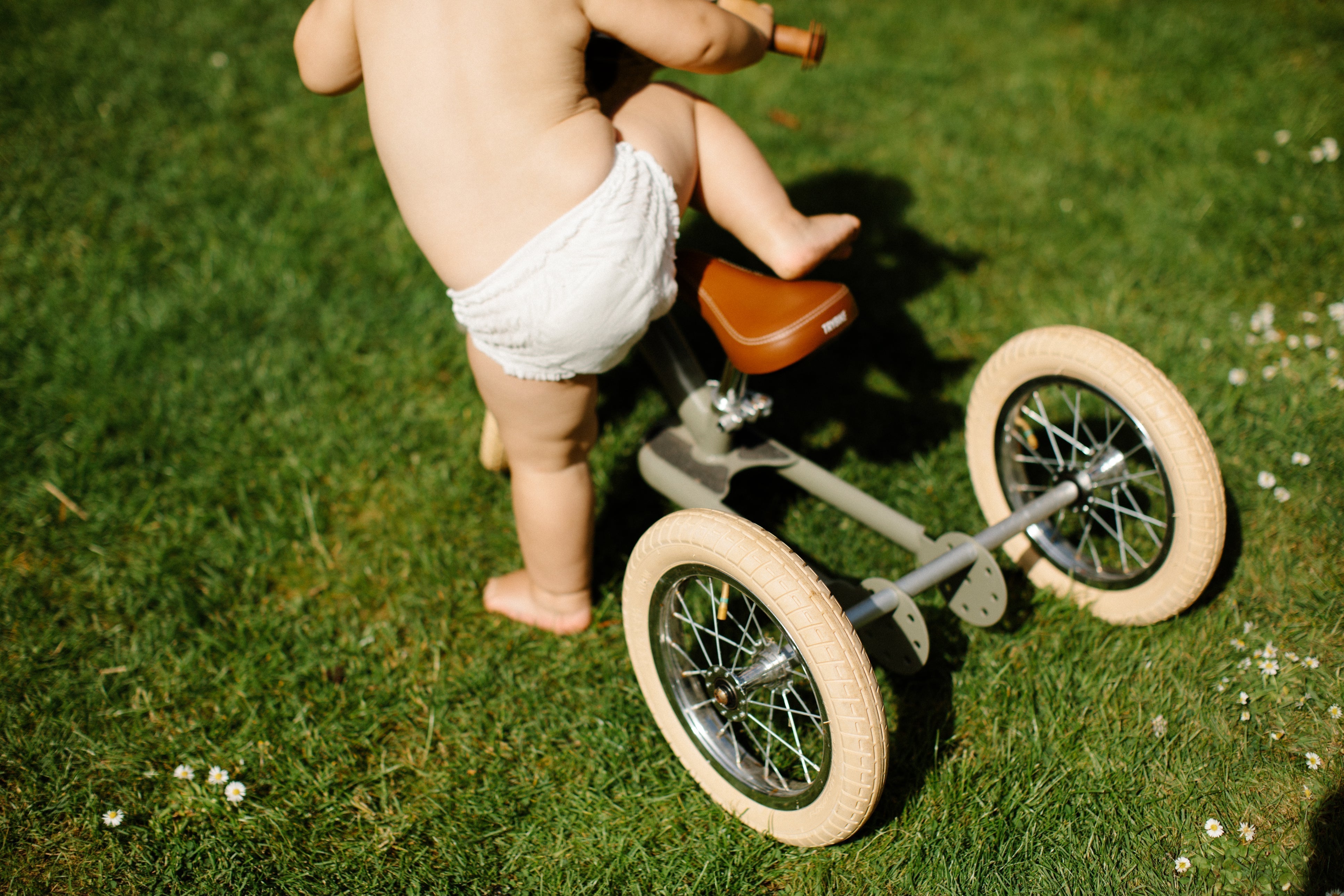
As little ones start crawling, climbing, walking and running, they're moving their bodies in new ways. EcoPeaCo Diaper Pants have a flexible 360° waistband designed to move along with them.
If you've started experiencing leaks as your child becomes increasingly active, check the fit of their diaper first. You may also find that a Diaper Pant designed for movement works better for this stage.
Changes Are Becoming More Active, Too
Changing a squirmy toddler can be an adventure of its own. A pull-on style can make standing changes easier when your child no longer wants to lie still.
When Should I Swap Diapers for Pull-Ups?
There's no set age, so watch your child rather than the calendar. It may be time to try Diaper Pants if:
-
Leaks are increasing as your child becomes more active, even though the diaper is the right size and positioned correctly
-
Diaper changes have turned into a wrestling match
-
Your child is crawling, climbing, walking or running and a taped diaper keeps shifting
-
Your child is showing interest in pulling their own pants up and down
-
Potty training is on the horizon and you'd like a pull-on style to practice with
If you're not sure whether the leaks are a fit problem or a style problem, check the fit first. The Diaper Fit Guide walks through it, and the Diaper Pants Fit Guide covers sizing once you've made the switch.
Potty Training Is on the Horizon
Some parents prefer to make the transition to Diaper Pants as their child approaches potty training. The pull-on style can help little ones get used to pulling their pants up and down as they become more independent.
Diapers or Diaper Pants? It's Your Choice.
You don't have to switch just because your child reaches a particular stage.
You can move to Diaper Pants when your child becomes more active, wait until potty training begins, or use both diapers and pants depending on your routine.
Pull-On Convenience Without Giving Up Diaper-Level Absorbency
Not all pull-on style diapers are designed to provide the same level of absorbency as a diaper. When we developed EcoPeaCo Diaper Pants, maintaining diaper-level absorbency was a major focus. We wanted parents to get the convenience and freedom of a pull-on style without feeling like they had to compromise on protection.
EcoPeaCo Diaper Pants are independently tested to absorb up to 17 oz while returning 44% less moisture.
So the decision between EcoPeaCo Diapers and Diaper Pants can be about the fit and style that work best for your child and your routine—not about giving up absorbency.
| Diapers | EcoPeaCo Diaper Pants | |
| How they're put on | Fastened with adjustable tabs | Pull-on syle |
| Changes | Ideal for traditional lying-down changes | Convenient for pull-on or standing changes |
| Fit | Adjustable tab fit | Flexible 360 waistband |
| Movement | Secure everyday fit | Move-With-Me Fit designed for active little ones. |
| Absorbency | Diaper-level protection | Diaper-level absorbency - independently tested to absorb up to 17 oz |
| Potty training | Can continue to be used | Pull-on style can support growing independence |
| When to switch | No required age or stage | Whenever it works better for your child and routine |
FAQs
When should I switch from diapers to Diaper Pants?
There's no required age or stage. Some parents switch when their child becomes more active, some prefer the convenience of pull-on or standing changes, and others wait until potty training. You can also use both depending on your routine.
Are Diaper Pants as absorbent as diapers?
Not all pull-on style diapers are designed to provide diaper-level absorbency. EcoPeaCo Diaper Pants are. Maintaining absorbency was a major focus when we developed them, so parents wouldn't have to choose between pull-on convenience and protection. EcoPeaCo Diaper Pants are independently tested to absorb up to 17 oz while returning 44% less moisture.
What's the difference between diapers and pull-ups?
Diapers fasten with adjustable tabs, so changes usually happen with your child lying down. Pull-up style Diaper Pants pull on and off, which can make standing changes easier. EcoPeaCo Diaper Pants are designed to deliver diaper-level absorbency.
Are pull-ups better than diapers?
Neither is better for every child. Some parents switch when their child becomes more active, some wait until potty training, and some use both depending on their routine.