What Is Phenoxyethanol & Is It Safe In Baby Wipes?
Most parents don’t want to use ingredients on their babies that they wouldn’t put on their own skin. For many, phenoxyethanol is on that list.
Phenoxyethanol, a common preservative in cosmetic products, can help extend the shelf life of products by limiting bacteria growth. But is phenoxyethanol safe for you and your baby? We’re here to tell you.
What is Phenoxyethanol?
Phenoxyethanol is a synthetic preservative commonly used to extend the shelf life of cosmetics, soaps, and other personal hygiene products. When you're scanning labels, our bath bundle is formulated to the same clean, fragrance-free standard.. It prevents mold and bacteria from forming by creating an inhospitable environment for them to grow and multiply. Phenoxyethanol also has a slightly rose scent, making it a common addition to fragrances.
When listed on an ingredient label, phenoxyethanol may also appear as 2 Phenoxyethanol, Euxyl K 400, and PhE.
Is Phenoxyethanol Safe?
Phenoxyethanol is approved for use in cosmetics by the FDA. That said, it is a known irritant that has caused reactions ranging from mild allergies to severe, life-threatening responses. Known phenoxyethanol side effects in infants include:
-
Skin irritation: Phenoxyethanol commonly causes skin irritation at the site of application.
-
Eczema: Products containing 1% phenoxyethanol or more have been known to cause temporary eczema.
-
Anaphylaxis: In rare cases, phenoxyethanol has caused anaphylactic reactions including hives, swelling, and difficulty breathing.
There are some studies that show phenoxyethanol is safe for adults in concentrations up to one percent, but those with sensitive skin may experience side effects from lesser concentrations.
Acute Nervous System Response in Infants
Products containing phenoxyethanol have caused particularly severe side effects in infant nervous systems. When ingested, it can depress the nervous system, resulting in decreased appetite, fatigue, limpness, vomiting, diarrhea, and other serious side effects.
Is Phenoxyethanol In All Baby Wipes?
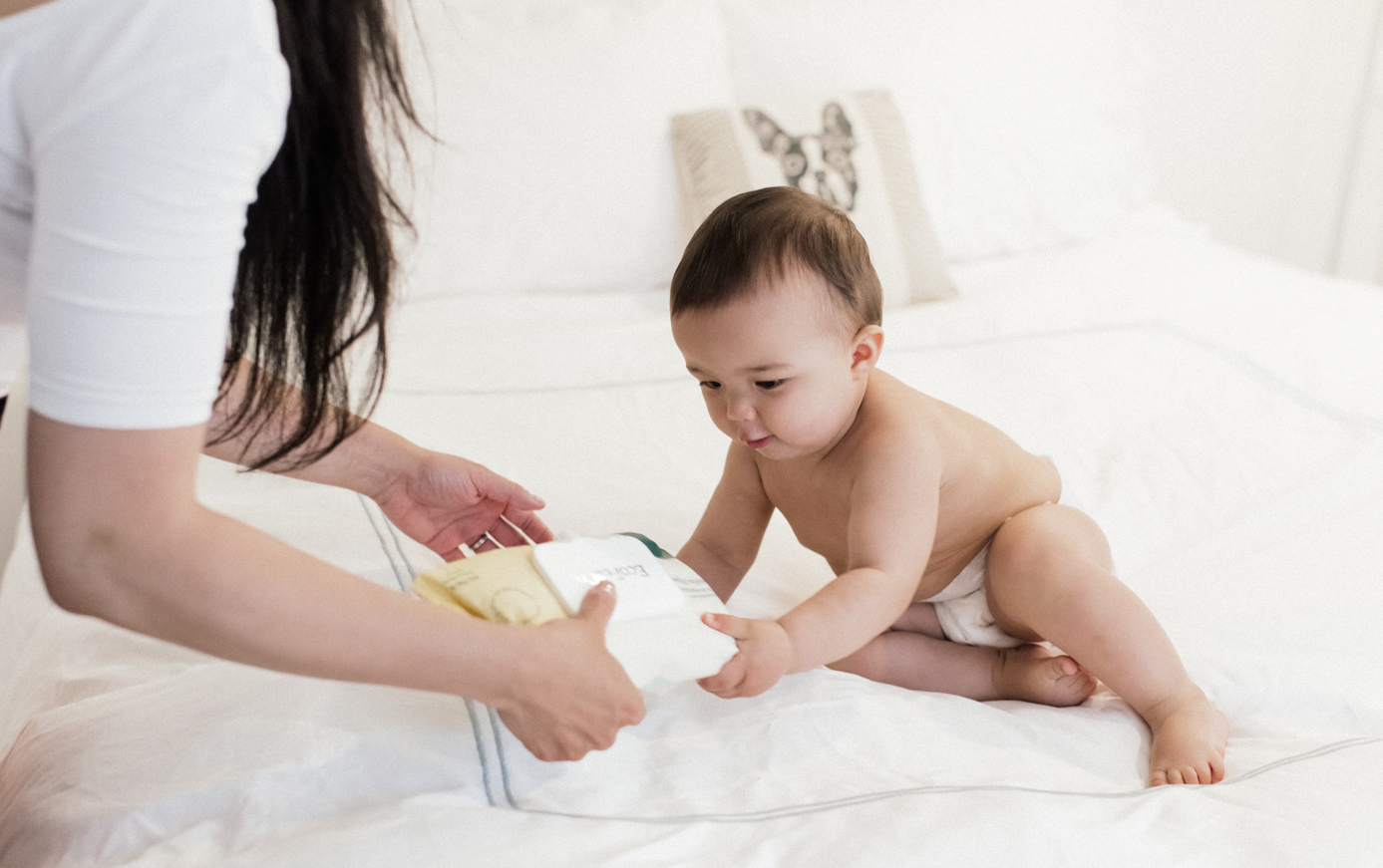
Many conventional brands include phenoxyethanol in baby wipes to help them last longer. Baby wipes have plenty of moisture in their packaging, so they can quickly grow mold and bacteria without preservatives.
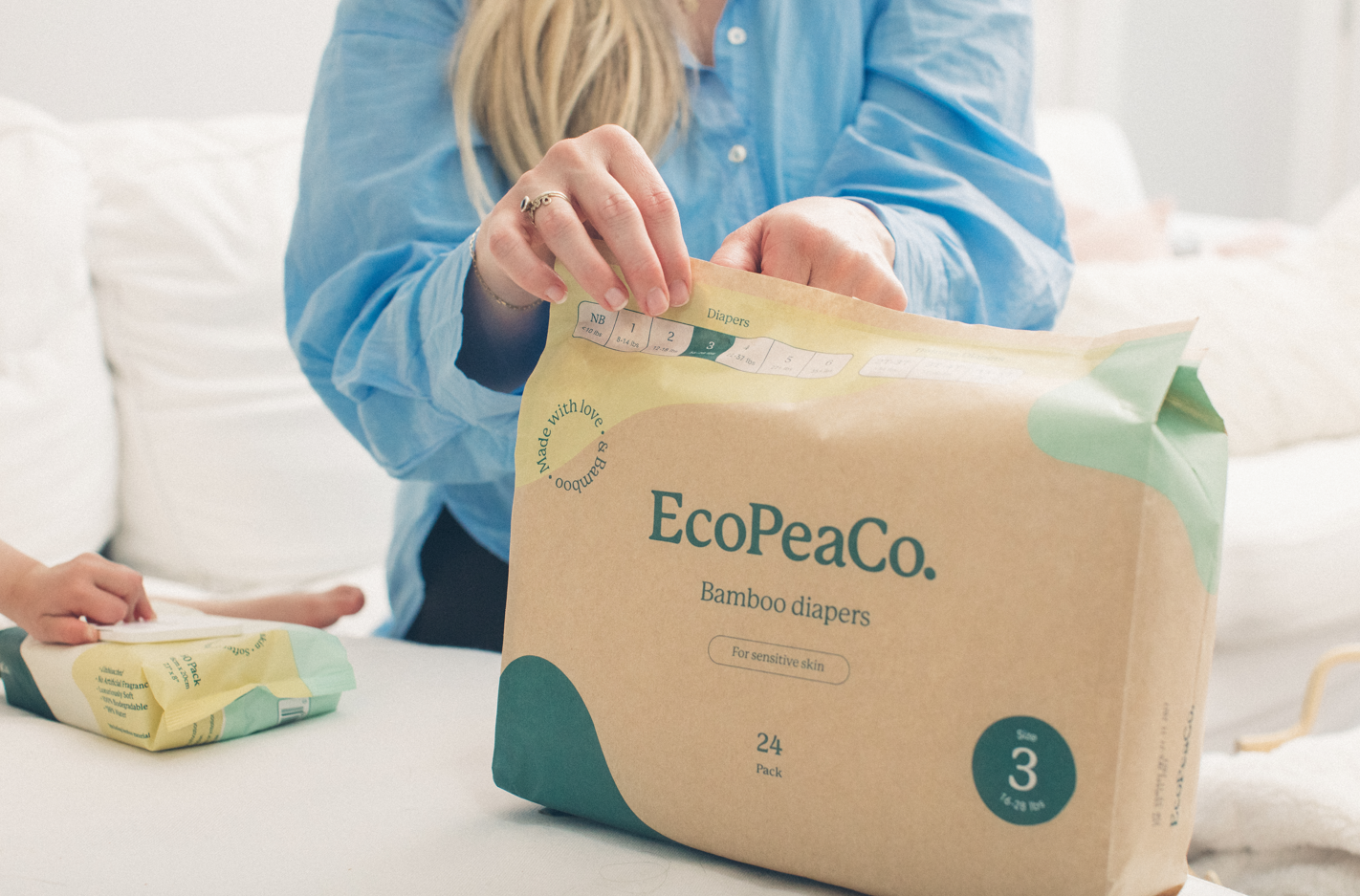
The best way to keep your baby safe from phenoxyethanol in baby wipes is to read the ingredients before using any wipe on your little one. EcoPeaCo. Baby Wipes are phenoxyethanol-free, so you can use them on your baby with peace of mind.

Key Takeaways
If you’d rather go without phenoxyethanol in baby wipes, be sure to check ingredient labels before using new wipes.
. Our bamboo wipes are made with a liquid formula of 99% water and no added fragrance.
FAQ
What ingredients should be avoided in baby wipes?
In addition to phenoxyethanol in baby wipes, the following ingredients have also been shown to cause reactions in infants and toddlers:
- Bronopol
- DMDM hydantoin
- Parabens
- Polyethylene glycols
- Phthalates
- Propylene glycol
- Triclosan
- Alcohol
- Sodium lauryl sulfate
Is phenoxyethanol safe for babies?
Phenoxyethanol has been shown to cause serious side effects in infants and babies when ingested, including nervous system depression, vomiting, diarrhea, lethargy, and more. For a phenoxyethanol-free baby wipe, try EcoPeaCo. Baby Wipes.
What are some natural alternatives to phenoxyethanol?
Sodium benzoate is a safe alternative to phenoxyethanol that hasn’t been shown to cause serious side effects. Other safe alternatives include potassium sorbate, silver dihydrogen citrate, and benzalkonium chloride.
Where can I buy hypoallergenic baby wipes in Canada?
Get safe, gentle hypoallergenic baby wipes from EcoPeaCo. Our baby wipes are made from unbleached, FSC-certified bamboo sheets with gentle ingredients like water, aloe, chamomile, and cucumber extract. They’re fragrance-free and free of parabens, phthalates, and formaldehyde.